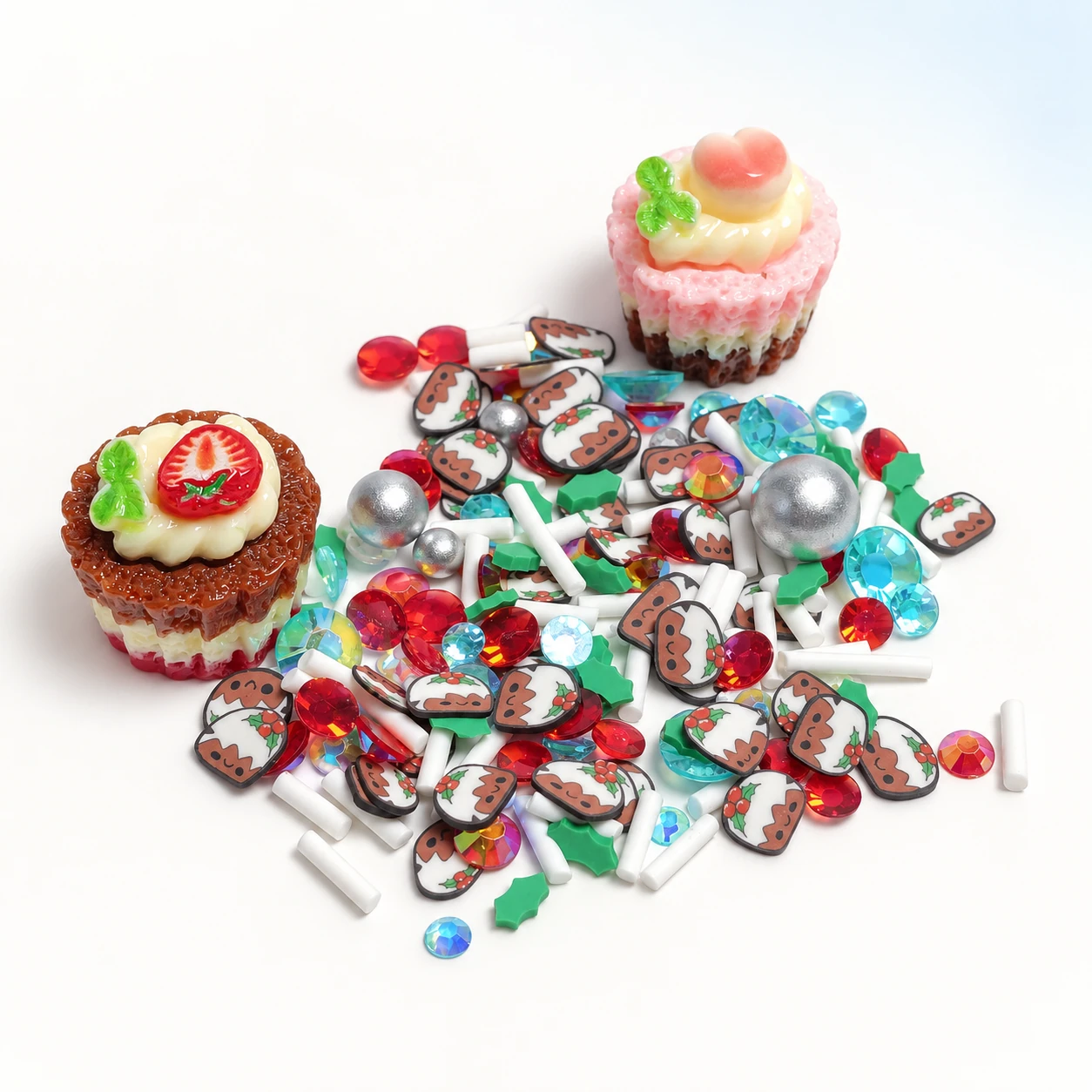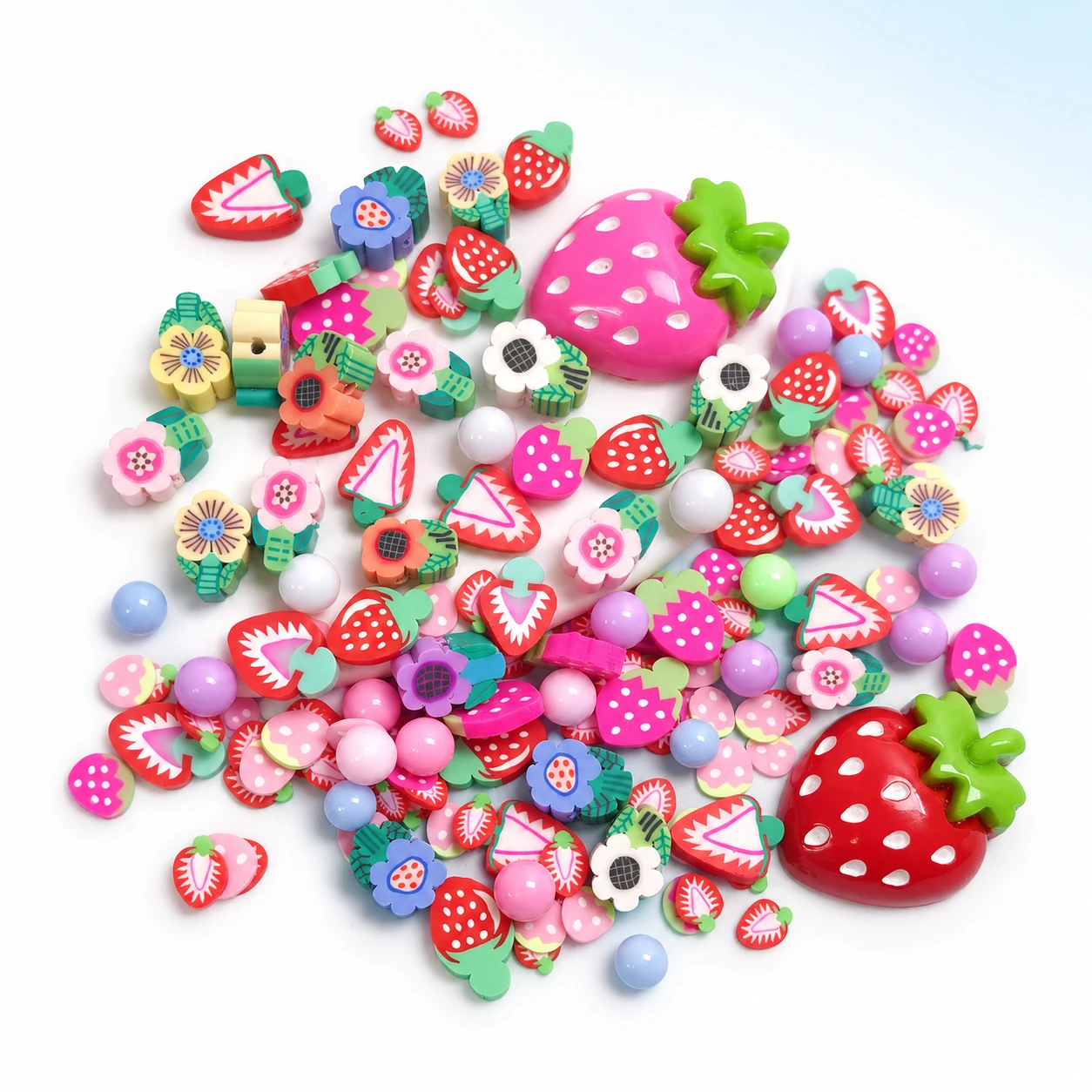
A useful custom filler brief specifies the finished application, component list, dimensions, color palette, ratio basis, quantity and packaging. Approve the physical sample and a written specification together before bulk production.
Start with the product your customer will make
A photograph communicates a theme, but it cannot explain how the mixture will be used. Tell us whether you are developing a slime topping, a dry shaker insert, a resin inclusion or a craft-kit pack. Include the available space, the base or adhesive and the intended customer. A mixture that looks balanced on a table may behave differently inside a small cavity or an opaque slime base.
Use a reference from our themed filler mixes as a starting point. Mark which details should stay and which may change. This prevents an attractive substitute from replacing a component that matters to your brand.
Separate mixing, OEM production and ODM development
| Route | What to send | What to agree |
|---|---|---|
| Custom mix | Existing reference components and a target palette | Composition, ratio and packing |
| OEM brief | Your drawings, dimensions, artwork and approved specifications | Production feasibility and sample acceptance |
| ODM brief | A concept, customer profile and intended application | Design proposals, revisions and development scope |
New shapes, molds or exclusive artwork need a separate development discussion. Confirm tooling costs, permitted use and ownership terms in writing; a custom color mix alone does not establish design exclusivity.
Specify whether a ratio means weight or count
Large focal charms and tiny slices have different weights. A 50:50 ratio by count will not produce the same pack as 50:50 by weight. If every retail pack must contain two focal charms, specify that count separately from the loose filler weight.
Illustrative arithmetic, not a production recipe: a 1,000 g loose mix with 60% slices, 30% sequins and 10% decorative beads requires 600 g, 300 g and 100 g respectively. Adding individually counted focal charms changes the total pack weight unless they were already included. Record the convention before comparing quotations.
Use a brief that can become an approval record
- Project
- Theme, application, customer and destination country
- Components
- Reference SKUs, dimensions, colors and allowed substitutions
- Mix
- Weight ratios, focal-piece counts and acceptable variation
- Order
- Total quantity, pack weight or count, artwork and target launch
- Approval
- Sample version, filled-pack photos and written changes
Compare the approved sample with your brief under consistent lighting. Photograph it beside a scale reference and retain the component list. Qula Craft can produce and mix components, prepare custom assortments and discuss private labels. MOQ, timing and cost depend on the agreed scope.
Questions buyers ask
Can I customize an existing filler mix?
Yes. Identify the reference and describe the changes to colors, components, ratios or packaging. Availability and the sampling plan are confirmed for the request.
Is a reference photograph enough for bulk production?
Use it to start the discussion, then agree dimensions, materials, mixture rules and a physical approval sample. A photo alone does not specify the order.
Discuss your custom project
Send your references, quantity, intended use, packing brief and destination. We will use those details to discuss a sample and quotation.